If you’re following Weight Watchers (WW) or looking for a smarter approach to weight loss, you’ve probably heard of Zero Point Foods.
These are nutrient-dense, whole foods that you can eat freely without tracking points, making healthy eating simpler and more enjoyable.
The idea is to encourage you to fill your plate with foods that naturally support satiety, energy, and weight management without the stress of counting every bite.
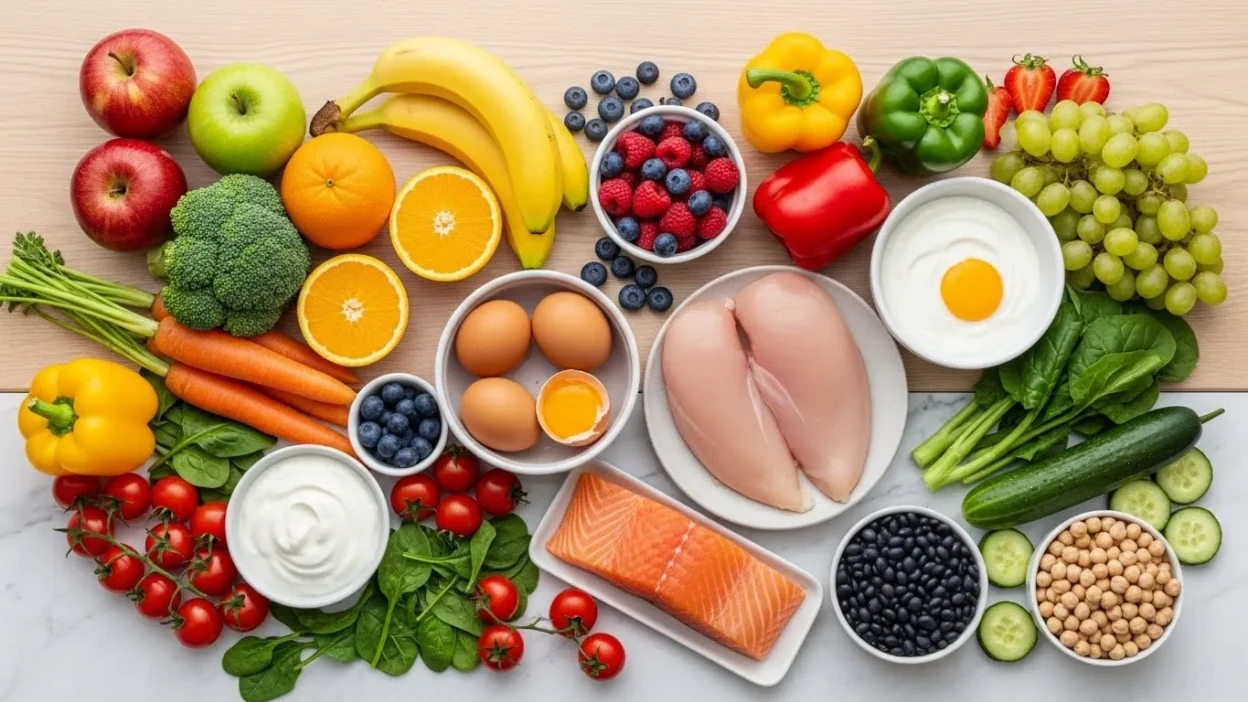
From fresh fruits and vegetables to lean proteins like chicken, fish, and tofu, Zero Point Foods are designed to help you stay full longer while fueling your body with essential nutrients.
Incorporating these foods into your daily meals can reduce cravings, promote mindful eating, and make sticking to your Weight Watchers plan easier than ever.
In this guide, we’ll explore the full list of Zero Point Foods, their benefits, meal ideas, common mistakes to avoid, and tips to maximize your weight loss success.
What Are Weight Watchers Zero Point Foods?
Zero Point Foods are a cornerstone of the Weight Watchers (WW) program, designed to make healthy eating easier and more sustainable. Essentially, these are foods that don’t require tracking on the WW SmartPoints system, meaning you can eat them freely without worrying about exceeding your daily points. The philosophy behind Zero Point Foods is simple: encourage consumption of nutrient-dense, whole foods that naturally keep you full, provide essential vitamins and minerals, and support weight loss in a healthy way.
The types of foods that usually fall under Zero Points include fresh fruits and vegetables, lean proteins like chicken, turkey, and fish, eggs, tofu, and certain legumes. These foods are high in nutrients, low in added sugars and unhealthy fats, and typically low in calories relative to their volume, which helps curb hunger.
It’s important to note that the Zero Point Food list can vary depending on your WW plan—Green, Blue, or Purple—so you’ll want to check your personalized plan for exact details. While Zero Point Foods are “free” in terms of points, mindful eating is still key; overconsuming even healthy foods can impact your weight loss if other meals aren’t balanced.
By understanding what Zero Point Foods are and incorporating them thoughtfully into your meals, you can simplify meal planning, reduce stress around dieting, and create a flexible, satisfying approach to healthy eating that works long-term.
Benefits of Zero Point Foods
Zero Point Foods aren’t just convenient—they offer several key benefits that make the Weight Watchers program effective and sustainable. First and foremost, they support healthy weight loss without the stress of constant tracking. By allowing you to eat certain foods freely, you can feel full and satisfied while still staying within your daily SmartPoints budget.
Another major benefit is that Zero Point Foods promote nutrient-dense eating. Most of these foods—like fruits, vegetables, lean proteins, and legumes—are packed with essential vitamins, minerals, fiber, and protein. This helps fuel your body, keeps your metabolism functioning optimally, and reduces cravings for processed or high-calorie foods.
Zero Point Foods also encourage better eating habits. Since these are whole, minimally processed foods, incorporating them into your meals helps you naturally choose healthier options over convenience snacks or fast food. Over time, this can create lasting changes in your diet and lifestyle.
Additionally, they reduce guilt and anxiety around eating. Many diets feel restrictive, but with Zero Point Foods, you can eat more of the foods that nourish your body without worrying about “blowing your points.” This fosters a positive relationship with food and makes it easier to stick to your plan long-term.
Finally, these foods increase meal flexibility, making it simple to build balanced breakfasts, lunches, dinners, and snacks that keep you full, energized, and on track with your weight loss goals.
How to Incorporate Zero Point Foods Into Your Daily Diet
Incorporating Zero Point Foods into your daily meals is one of the easiest ways to stay on track with Weight Watchers while enjoying satisfying, healthy meals. The key is to build your plate around these foods, using them as the foundation of each meal and pairing them with other SmartPoints foods as needed.
For breakfast, consider options like scrambled eggs with spinach and tomatoes, or a fruit and nonfat yogurt parfait. These choices provide protein and fiber to keep you full throughout the morning. At lunch, a large salad packed with leafy greens, cucumbers, bell peppers, grilled chicken, and beans makes a nutritious, filling meal with minimal points. For dinner, opt for lean proteins like baked fish or tofu with steamed vegetables and a small portion of whole grains to round out the meal.
Snacks are another area where Zero Point Foods shine. Fresh fruit, raw vegetables, or air-popped popcorn can help curb cravings between meals without adding SmartPoints. Preparing and batch-cooking these foods ahead of time makes it easier to reach for healthy options rather than processed snacks.
It’s important to maintain variety and balance. While Zero Point Foods are free, combining them thoughtfully with other nutrient-rich foods ensures you’re getting all the vitamins, minerals, and healthy fats your body needs. With consistent practice, these foods can become the centerpiece of your eating routine, simplifying meal planning and helping you reach your weight loss goals while enjoying a wide range of flavors and textures.
Common Mistakes to Avoid With Zero Point Foods
While Zero Point Foods make healthy eating easier, it’s still possible to make mistakes that can slow your weight loss progress. One of the most common errors is overeating, even “healthy” foods. For example, while fruits, vegetables, and lean proteins are low in points, consuming them in very large quantities—especially higher-calorie options like avocado or beans—can still affect your overall caloric intake and weight loss.
Another frequent mistake is relying solely on Zero Point Foods and neglecting other nutrients. While these foods are nutrient-dense, a balanced diet also requires healthy fats, complex carbohydrates, and fiber-rich whole grains. Ignoring these can lead to nutrient deficiencies or leave you feeling unsatisfied, which may trigger cravings for processed foods.
Some people also forget to plan meals properly. Zero Point Foods are convenient, but without preparation, it’s easy to grab less healthy, high-point alternatives when hunger strikes. Batch cooking vegetables, prepping fruits, and portioning proteins can prevent this pitfall.
Lastly, some individuals assume all versions of a food are Zero Points, which isn’t always true. For instance, pre-packaged or processed items like flavored yogurt or canned beans with added sugar or sodium may carry points. Always check your WW plan or app to ensure accuracy.
By being mindful of these common mistakes—overeating, ignoring nutrient balance, skipping meal prep, and miscounting points—you can make the most of Zero Point Foods and enjoy steady, sustainable progress toward your weight loss goals.
Zero Point Foods and Weight Loss Success
Zero Point Foods are a powerful tool for achieving sustainable weight loss on the Weight Watchers program. By allowing you to eat nutrient-dense foods freely, these foods help reduce cravings and keep you full, making it easier to stick to your SmartPoints budget. When your meals are built around lean proteins, vegetables, fruits, and legumes, your body gets the nutrients it needs without excess calories, which supports gradual and healthy fat loss.
Another factor in their success is habit formation. Eating more Zero Point Foods encourages you to make healthier choices consistently. Over time, this can shift your eating patterns naturally, reducing reliance on processed or high-calorie foods that contribute to weight gain. People who consistently incorporate these foods often report fewer cravings, higher energy levels, and greater satisfaction after meals.
Zero Point Foods also make it easier to track progress without feeling restricted. Because you don’t have to count points for these foods, you can focus more on meal balance, portion control, and mindful eating rather than constantly worrying about numbers.
Finally, combining Zero Point Foods with regular physical activity, SmartPoints tracking, and portion awareness creates a holistic approach to weight management. Many Weight Watchers members have found that centering meals around these foods helps them stay on track long-term, achieve steady weight loss, and maintain a positive relationship with food.
Tips for Shopping and Meal Prep
Maximizing the benefits of Zero Point Foods starts at the grocery store. Planning ahead is key. Begin by creating a shopping list based on your meals for the week, focusing on fresh fruits, vegetables, lean proteins, legumes, and whole grains. Sticking to your list reduces the temptation to buy processed or high-point foods.
When navigating the store, shop the perimeter first, where most whole foods are located. Fresh produce, dairy alternatives, and proteins are typically found along the edges, while processed foods occupy the middle aisles. Choosing seasonal fruits and vegetables can also save money and add variety to your meals.
Meal prep is another essential strategy. Washing, chopping, and portioning fruits and vegetables in advance makes it easy to grab a healthy snack or assemble a meal quickly. Cooking proteins in batches, like grilled chicken or roasted tofu, allows you to mix and match ingredients throughout the week.
Consider using storage containers or prep bins for ready-to-eat meals, so you can quickly assemble lunches or dinners without extra effort. Even simple steps, like freezing portions of berries or cooking extra lentils, can save time and ensure you always have Zero Point Foods on hand.
Lastly, keep healthy seasonings on hand—herbs, spices, citrus juice, or vinegar—to enhance flavor without adding SmartPoints. By planning your shopping and prepping meals ahead of time, Zero Point Foods become convenient, accessible, and a natural part of your daily routine, helping you stay on track with your weight loss goals.
Recipes Using Zero Point Foods
Zero Point Foods aren’t just healthy—they can also be delicious and versatile, making it easy to enjoy a variety of meals while staying on track with Weight Watchers. By focusing on these foods, you can create simple, satisfying breakfasts, lunches, dinners, and snacks without worrying about tracking points.
For breakfast, try a veggie-packed omelet with spinach, mushrooms, and tomatoes. Pair it with a side of fresh fruit for extra fiber and vitamins. Another option is a smoothie bowl made with unsweetened almond milk, frozen berries, and a scoop of nonfat yogurt—blend until creamy and top with sliced fruit.
At lunch, a grilled chicken salad is quick and filling. Use leafy greens, cucumbers, bell peppers, cherry tomatoes, and a drizzle of lemon or balsamic vinegar. Adding beans or lentils can boost protein and fiber while remaining low in points.
For dinner, consider a baked fish with roasted vegetables like broccoli, zucchini, and carrots. Season with garlic, herbs, and a squeeze of lemon for flavor without added points. A stir-fry with tofu and colorful vegetables is another excellent option for a quick, nutrient-packed meal.
Snacks are easy too: fresh fruit, raw vegetable sticks, or air-popped popcorn provide satisfaction between meals.
The key to enjoying Zero Point Foods is creativity and variety. By experimenting with different flavors, textures, and combinations, you can make each meal enjoyable while staying aligned with your Weight Watchers goals and supporting sustainable weight loss.
Zero Point Foods for Special Diets
Zero Point Foods can easily fit into a variety of special diets, making them flexible for individuals with different dietary needs while still supporting Weight Watchers goals.
For vegetarians and vegans, many Zero Point Foods are naturally plant-based. Fruits, vegetables, beans, lentils, tofu, and unsweetened plant-based milk provide ample protein, fiber, and essential nutrients. Combining legumes with whole grains, like lentils with quinoa, ensures you get a complete protein profile. These options allow plant-based eaters to stay satisfied and maintain steady energy throughout the day.
Those following a gluten-free diet can also enjoy Zero Point Foods safely. Most fruits, vegetables, lean proteins, and legumes are naturally gluten-free, making them ideal for those avoiding wheat, barley, or rye. Just be cautious with pre-packaged items like canned beans or flavored yogurts, as some may contain gluten additives.
For low-carb or keto-focused eaters, Zero Point Foods like leafy greens, broccoli, zucchini, cauliflower, and eggs can form the foundation of meals. Pairing these with lean proteins ensures you maintain fullness and energy while keeping carb intake in check.
Even with special dietary needs, the key is variety and balance. By choosing a mix of vegetables, fruits, proteins, and legumes, you can meet your nutritional requirements while staying within your Weight Watchers plan. Zero Point Foods provide a flexible, convenient way to adhere to special diets without sacrificing taste, satisfaction, or weight loss progress.
FAQs:
1. Can I eat unlimited Zero Point Foods?
While Zero Point Foods don’t count toward your daily SmartPoints, they aren’t a free pass to overeat. Eating excessively, even healthy foods, can impact weight loss if it leads to consuming too many calories overall. Moderation and variety are key.
2. Are all fruits and vegetables Zero Points?
Most fresh fruits and vegetables are Zero Points, but some exceptions exist depending on your Weight Watchers plan. Pre-packaged, processed, or prepared items with added sugar, oils, or sauces may have points. Always check your personalized WW plan for accuracy.
3. How do Zero Point Foods affect weight loss?
Zero Point Foods support weight loss by keeping you full and satisfied with nutrient-dense options. They reduce cravings for high-calorie, processed foods, making it easier to stick to your daily SmartPoints and maintain a healthy diet.
4. Do Zero Point Foods vary by WW plan?
Yes. Weight Watchers has three plan colors—Green, Blue, and Purple—and each plan may assign different foods as Zero Points. Be sure to reference your specific plan for the most accurate list.
5. Can kids follow Zero Point principles?
Absolutely! Children can benefit from eating more fruits, vegetables, lean proteins, and legumes. Focus on variety and balanced meals rather than tracking points strictly, ensuring they get all essential nutrients for growth and energy.
These FAQs address the most common concerns about Zero Point Foods, helping you make informed choices and maximize the benefits while following the Weight Watchers program.
Conclusion
Weight Watchers Zero Point Foods are a game-changer for anyone looking to simplify healthy eating and achieve sustainable weight loss. By focusing on nutrient-dense, whole foods that don’t require tracking, you can enjoy satisfying meals while staying on track with your SmartPoints plan.
Fruits, vegetables, lean proteins, legumes, and certain dairy or plant-based options provide essential vitamins, minerals, fiber, and protein, keeping you full and energized throughout the day.
Incorporating these foods into your daily routine helps reduce cravings, promote mindful eating, and foster a positive relationship with food. They also make meal planning easier, allowing for flexibility, variety, and creativity in your diet.
When paired with other SmartPoints foods, regular physical activity, and mindful portion control, Zero Point Foods can significantly support your weight loss journey while ensuring you receive balanced nutrition.
Remember, the key to success is consistency and moderation. While these foods are “free” in points, balancing them with other nutrient-rich foods and avoiding overconsumption ensures long-term results.
Batch prepping, smart grocery shopping, and experimenting with recipes can make it easier to stick with the plan.
By making Zero Point Foods the foundation of your meals, you can enjoy delicious, satisfying, and healthy options every day.
Start incorporating these foods today, explore new recipes, and watch as they transform your eating habits, helping you achieve your weight loss goals in a sustainable and enjoyable way.

I am Romeo, the mind behind buzzpuns.com, where every joke has a spark and every pun creates a buzz.
I am here to turn everyday words into laugh-worthy puns that stick in your mind.
I am building a fun space where humor meets creativity one clever pun at a time 😄