
Weight loss is a common clinical symptom that can be either intentional, as part of a diet or fitness plan, or unintentional, often signaling an underlying health condition.
In medical practice, accurately documenting weight loss is essential for patient care, diagnosis, and proper billing.
This is where ICD-10 codes play a crucial role. The International Classification of Diseases, 10th Revision (ICD-10) provides standardized codes for healthcare providers to classify diseases, symptoms, and health-related conditions.
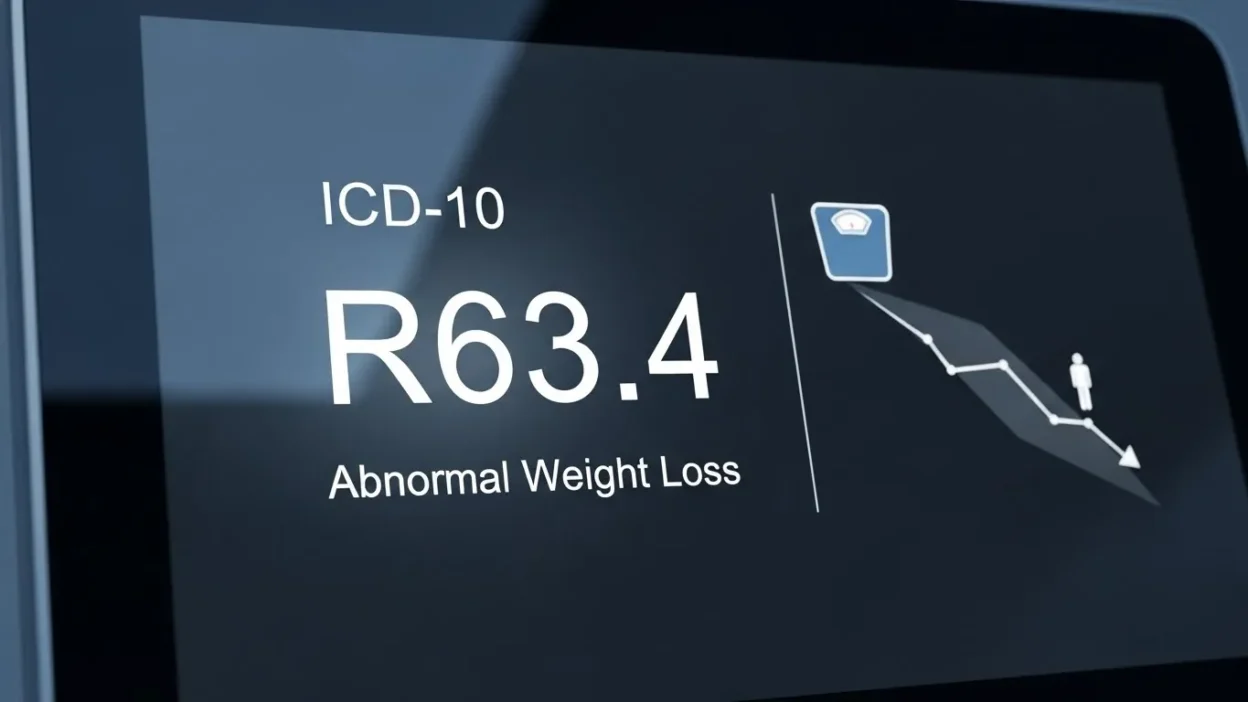
Among these, R63.4 – Abnormal Weight Loss is the primary code used to document unexplained or unintentional weight loss. Proper use of ICD-10 codes ensures clarity in clinical records, supports insurance claims, and helps track patient outcomes.
Understanding which code to use, when, and how to document associated factors like underlying illnesses, severity, and patient demographics is critical for accurate medical reporting and quality care.
Understanding ICD-10 and Its Role
The International Classification of Diseases, 10th Revision (ICD-10) is a globally recognized system used by healthcare providers to standardize the recording of medical diagnoses, symptoms, and health conditions. Developed by the World Health Organization (WHO), ICD-10 allows for precise communication between clinicians, insurance companies, researchers, and public health organizations. Accurate ICD-10 coding ensures that patient records reflect both the primary condition and any associated symptoms, such as weight loss.
Weight loss, while often seen as a standalone symptom, can be linked to a wide variety of medical conditions ranging from chronic illnesses like cancer, diabetes, and hyperthyroidism, to gastrointestinal disorders and infectious diseases. Proper coding distinguishes between intentional weight loss, such as that achieved through diet or exercise, and unintentional weight loss, which may indicate an underlying health problem.
In clinical practice, using the correct ICD-10 code—most commonly R63.4 for abnormal weight loss—ensures that healthcare providers document patient symptoms accurately. Beyond clinical documentation, ICD-10 codes are critical for insurance claims, as they determine coverage and reimbursement. They also help researchers analyze health trends, evaluate treatment outcomes, and develop public health strategies.
Understanding the role of ICD-10 in documenting weight loss helps providers make informed clinical decisions, maintain comprehensive patient records, and support accurate billing. By linking symptoms to standardized codes, healthcare professionals can provide high-quality care while meeting administrative requirements efficiently.
ICD-10 Codes for Weight Loss
In medical coding, accurately selecting the appropriate ICD-10 code for weight loss is essential to reflect the patient’s condition, guide treatment, and support insurance claims. The primary code used for unexplained or unintentional weight loss is R63.4 – Abnormal Weight Loss. This code applies when a patient experiences a significant reduction in body weight that cannot be attributed to intentional dieting or exercise and requires thorough clinical documentation.
In addition to R63.4, there are related ICD-10 codes that may be used depending on the context:
- R63.3 – Feeding difficulties or failure to thrive: commonly used in pediatric patients experiencing inadequate growth or insufficient weight gain.
- R63.5 – Abnormal weight gain: while focusing on weight gain, it is sometimes relevant when monitoring fluctuations in body weight.
- E66.x – Obesity and related weight disorders: used when weight loss occurs as part of obesity management or treatment.
- F50.x – Eating disorders: such as anorexia nervosa and bulimia, which often present with severe weight loss.
- Disease-specific codes: conditions like cancer (C00–C97), HIV/AIDS (B20–B24), and gastrointestinal diseases may also require coding alongside weight loss if it is a secondary symptom.
Correct use of these codes requires clear documentation of whether weight loss is intentional or unintentional, its severity, and any associated medical conditions. Using the proper ICD-10 codes ensures accurate clinical records, supports insurance reimbursement, and provides valuable data for research and public health monitoring. Misclassification can lead to billing errors or incomplete patient care records.
Causes of Weight Loss and ICD-10 Correlation
Weight loss can occur for a variety of reasons, and identifying the underlying cause is crucial for proper ICD-10 coding and patient care. Broadly, weight loss is categorized as intentional or unintentional, each requiring different documentation and coding approaches.
Unintentional weight loss often signals an underlying medical condition. Chronic illnesses such as cancer, diabetes, and hyperthyroidism can lead to significant and rapid weight reduction. Gastrointestinal disorders, including Crohn’s disease and ulcerative colitis, may cause malabsorption, resulting in weight loss. Infectious diseases like HIV/AIDS or tuberculosis can also contribute. In such cases, the primary diagnosis should be coded according to the disease (e.g., C00–C97 for cancer), with R63.4 – Abnormal Weight Loss included as a secondary code to reflect the symptom.
Intentional weight loss occurs through diet, exercise, or medical interventions like bariatric surgery. In these cases, coding focuses on obesity or related weight disorders (e.g., E66.x), while weight loss itself may not require an additional symptom code unless complications arise.
Pediatric and geriatric populations require special attention. In children, R63.3 – Feeding difficulties or failure to thrive is commonly used, whereas in elderly patients, weight loss may indicate cachexia or sarcopenia, conditions often linked to chronic illness.
Proper documentation of the cause, duration, and severity of weight loss ensures accurate ICD-10 coding. It allows healthcare providers to tailor treatment, support insurance claims, and maintain comprehensive patient records, while preventing misclassification that could affect both care and reimbursement.
Weight Loss Documentation Tips for Clinicians
Accurate documentation is critical when coding weight loss in ICD-10, as it ensures proper patient care, supports billing, and reduces the risk of claim denials. Clinicians should record not only the presence of weight loss but also the context, severity, and potential underlying causes.
First, it’s essential to distinguish between intentional and unintentional weight loss. Intentional weight loss, such as through diet, exercise, or bariatric procedures, should be documented along with the patient’s goals, methods, and progress. Unintentional weight loss, however, often requires more detailed documentation of duration, rate of weight loss, and any associated symptoms such as fatigue, appetite changes, or gastrointestinal issues.
Clinicians should also note relevant medical history, comorbidities, and medications that may contribute to weight changes. For pediatric patients, documenting growth charts and feeding patterns is important, while for older adults, tracking muscle mass, nutritional intake, and functional status helps assess conditions like cachexia or sarcopenia.
When coding, always use R63.4 – Abnormal Weight Loss for unexplained or unintentional loss and add secondary codes for underlying conditions where applicable. Avoid generic terms such as “weight change” without quantifying or specifying the cause.
Detailed and precise documentation not only improves the accuracy of ICD-10 coding but also aids in clinical decision-making, treatment planning, and insurance reimbursement. It ensures that the patient’s condition is properly understood, tracked, and treated effectively.
Insurance and Billing Considerations
Accurate ICD-10 coding for weight loss plays a critical role in insurance and billing processes. Insurers rely on ICD-10 codes to determine medical necessity, approve claims, and calculate reimbursement. Misclassification or incomplete coding can lead to claim denials, delayed payments, or audits, which makes thorough documentation essential.
When a patient presents with unintentional weight loss, coding should reflect both the primary underlying condition (if identified) and the symptom. For example, a patient with weight loss due to hyperthyroidism should have the primary diagnosis coded for hyperthyroidism, with R63.4 – Abnormal Weight Loss used as a secondary code. This ensures that the medical necessity of tests, treatments, or nutritional interventions is clear to the insurer.
For intentional weight loss, such as in obesity management, codes like E66.x may be used, and symptom codes are often unnecessary unless complications arise. Clinicians should also document severity, duration, and associated symptoms, as this information may be required for claim approval.
Common pitfalls include coding weight loss without specifying whether it is intentional or unintentional, failing to include relevant comorbidities, or using outdated codes. Such errors can lead to partial or rejected reimbursements.
By maintaining accurate ICD-10 coding and comprehensive clinical documentation, healthcare providers can ensure smooth insurance processing, reduce billing errors, and provide evidence-based justification for treatments. Proper coding also contributes to reliable healthcare data for public health research and outcome tracking.
Weight Loss in Special Populations
Weight loss presents unique challenges when assessing special populations, including children, the elderly, and pregnant women. Proper ICD-10 coding in these groups ensures accurate documentation, appropriate treatment, and effective billing.
In pediatric patients, weight loss may signal growth or developmental issues. The code R63.3 – Feeding difficulties or failure to thrive is commonly used to document inadequate weight gain or nutritional problems. Clinicians should track growth charts, dietary intake, and developmental milestones to determine the severity and underlying cause. Accurate coding helps guide interventions such as nutritional counseling, supplementation, or medical treatment.
For older adults, unintentional weight loss may indicate cachexia, sarcopenia, or frailty, often associated with chronic illnesses like cancer, heart failure, or gastrointestinal disorders. In these cases, documenting the patient’s muscle mass, functional status, and nutritional intake is essential. ICD-10 codes like R63.4 – Abnormal Weight Loss are used alongside codes for underlying conditions to ensure both clinical and insurance accuracy.
During pregnancy, weight loss is less common and may indicate complications such as hyperemesis gravidarum or nutritional deficiencies. Clinicians should carefully document weight changes, gestational age, and associated symptoms, while using appropriate ICD-10 codes for both maternal health and pregnancy-related conditions.
In all special populations, detailed documentation of intentionality, severity, and contributing factors is crucial. This ensures accurate ICD-10 coding, supports insurance claims, guides clinical decisions, and enables better monitoring of patient outcomes across age and risk groups.
Common Mistakes and How to Avoid Them
When coding weight loss using ICD-10, several common mistakes can compromise patient records, insurance claims, and clinical decision-making. Being aware of these pitfalls helps healthcare providers maintain accuracy and efficiency.
One frequent error is failing to distinguish between intentional and unintentional weight loss. Intentional weight loss from diet, exercise, or bariatric procedures should be documented differently from unexplained weight loss, which may indicate an underlying medical condition. Using symptom codes like R63.4 – Abnormal Weight Loss without specifying intent can lead to coding inaccuracies.
Another mistake is coding weight loss without linking it to the underlying cause when known. For example, if weight loss is caused by cancer or hyperthyroidism, the primary diagnosis code should reflect the disease, with R63.4 as a secondary code. Omitting this linkage may result in incomplete records or insurance claim denials.
Using outdated or nonspecific codes is another common issue. Always reference the latest ICD-10 coding guidelines to ensure accuracy. Generic terms like “weight change” or “loss of appetite” should be avoided unless accompanied by proper ICD-10 codes.
Additionally, inadequate documentation of duration, severity, and associated symptoms can reduce the validity of the coding. For pediatric or geriatric patients, failing to track growth patterns, muscle mass, or functional status can lead to misclassification.
To avoid these mistakes, clinicians should maintain thorough, precise documentation, clearly differentiate intentional versus unintentional weight loss, and reference updated ICD-10 guidelines. Accurate coding improves patient care, ensures proper billing, and provides reliable data for research and healthcare planning.
FAQs
1. What is the ICD-10 code for unexplained weight loss?
The primary code is R63.4 – Abnormal Weight Loss, which is used when a patient experiences significant unintentional weight loss without a clearly identified cause. This code should be documented alongside any underlying conditions if known.
2. Can intentional weight loss be coded in ICD-10?
Yes, but intentional weight loss is usually coded under obesity or weight management-related codes such as E66.x. Symptom codes like R63.4 are not typically used unless complications arise. Documentation should clearly state the patient’s goals and methods.
3. How often should weight loss be documented?
Weight should be measured and recorded at every relevant clinical visit, especially if the patient is at risk for malnutrition, chronic disease, or rapid weight changes. Accurate tracking helps determine whether weight loss is intentional or concerning.
4. Does ICD-10 coding differ between adults and children?
Yes. In children, codes like R63.3 – Feeding difficulties or failure to thrive are commonly used to reflect growth issues. Adult coding generally uses R63.4 for abnormal weight loss unless linked to a specific disease.
5. How should weight loss related to chronic illness be coded?
When weight loss is caused by a known medical condition (e.g., cancer, diabetes, hyperthyroidism), the primary ICD-10 code should reflect the underlying disease, with R63.4 used as a secondary code to document the symptom.
These FAQs provide clinicians and coders with practical guidance, ensuring accurate documentation, correct ICD-10 coding, and proper insurance claims for patients experiencing weight loss.
Conclusion
Accurate documentation and ICD-10 coding of weight loss are essential for effective patient care, proper billing, and reliable healthcare records.
Weight loss can be either intentional, such as through diet or exercise, or unintentional, which may signal underlying medical conditions like chronic illnesses, gastrointestinal disorders, infections, or metabolic disorders.
Distinguishing between these types is critical for selecting the correct ICD-10 codes and ensuring clinical accuracy.
The primary code for unexplained or unintentional weight loss is R63.4 – Abnormal Weight Loss, while related codes such as R63.3 for failure to thrive in children, E66.x for obesity-related weight management, and F50.x for eating disorders may also be relevant depending on the patient’s condition.
Using the appropriate code alongside documentation of the underlying cause, duration, severity, and associated symptoms ensures clarity in medical records and supports insurance claims.
Special populations, including pediatric, geriatric, and pregnant patients, require extra attention when coding weight loss, as growth patterns, muscle mass, functional status, and pregnancy-related complications can affect both coding and treatment decisions.
Clinicians must also be aware of common pitfalls, such as failing to differentiate intentional versus unintentional weight loss, using outdated codes, or omitting key details.
By adhering to proper documentation practices and ICD-10 guidelines, healthcare providers can improve patient outcomes, prevent claim denials, and maintain high standards in clinical care.
Accurate coding not only streamlines billing but also contributes to public health data, research, and long-term patient monitoring, making it an essential part of modern medical practice.