
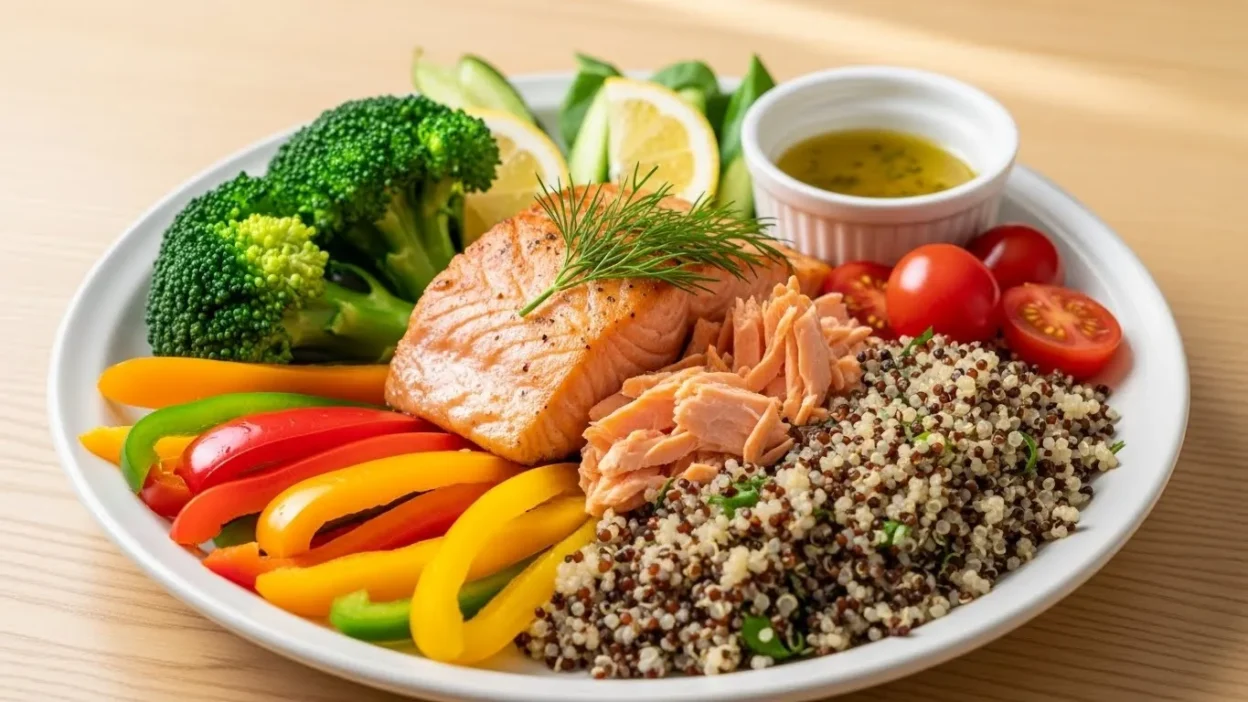
Losing weight can feel like an uphill battle, especially when it comes to choosing the right foods.
While exercise plays a role, what you eat has the biggest impact on shedding pounds and keeping them off. The key is not just eating fewer calories, but focusing on nutrient-rich, weight-loss-friendly foods that fuel your body, curb hunger, and boost metabolism.
From high-protein foods that help maintain muscle, to fiber-rich vegetables and fruits that keep you full longer, making smart food choices is essential for sustainable results.
In this guide, we’ll explore the best foods for weight loss, highlight those you should avoid, and share practical meal planning tips.
If you’re looking to drop a few pounds or start a long-term healthy lifestyle, understanding which foods support your goals can make all the difference.
How Food Impacts Weight Loss
Understanding how food affects your body is the first step toward effective weight loss. While calories are important, not all calories are created equal. Foods rich in protein, fiber, and healthy fats help you feel fuller for longer, reduce cravings, and prevent overeating. For example, a meal with lean chicken, vegetables, and avocado will keep your energy steady, unlike a sugary snack that spikes blood sugar and triggers hunger soon after.
Macronutrients protein, carbohydrates, and fats play unique roles in weight management. Protein helps build and preserve muscle, which in turn boosts metabolism. Fiber slows digestion, promotes satiety, and supports healthy digestion. Healthy fats, such as those found in nuts and olive oil, regulate hormones that control appetite and fat storage.
Micronutrients, including vitamins and minerals, also affect weight loss. Nutrients like vitamin D, magnesium, and B-vitamins help your body convert food into energy efficiently. Eating nutrient-dense foods ensures your metabolism runs smoothly, even while reducing calories.
Finally, timing and portion control matter. Eating balanced meals at regular intervals prevents extreme hunger and snacking on high-calorie foods. By choosing foods strategically, you can naturally support fat burning, improve energy, and create a sustainable path to achieving your weight loss goals.
Top Foods for Weight Loss
Choosing the right foods is essential for effective and sustainable weight loss. Certain foods not only help control appetite but also support metabolism, muscle retention, and overall health. Here are some of the best foods for weight loss:
1. High-Protein Foods: Protein is critical for preserving muscle mass while losing fat. Lean meats like chicken, turkey, and fish, as well as plant-based options like tofu, tempeh, and legumes, help you feel fuller longer and increase the thermic effect of food, meaning your body burns more calories digesting them.
2. Fiber-Rich Foods: Vegetables, fruits, whole grains, and legumes are high in fiber, which slows digestion, stabilizes blood sugar, and reduces cravings. Leafy greens, broccoli, berries, apples, and beans are particularly effective at promoting satiety without adding many calories.
3. Healthy Fats: Contrary to outdated beliefs, fats are important for weight loss when consumed in moderation. Avocado, nuts, seeds, and olive oil help regulate hormones that control hunger and fat storage, while providing essential nutrients.
4. Low-Calorie, Nutrient-Dense Foods: Foods like cucumbers, zucchini, tomatoes, and bell peppers provide volume and nutrients with minimal calories, making it easier to stay full while reducing calorie intake.
5. Metabolism-Boosting Foods: Green tea, chili peppers, and certain spices like cinnamon and ginger can slightly increase calorie burning and fat oxidation.
Incorporating these foods into your daily meals can create a natural calorie deficit, curb hunger, and support long-term weight loss success.
Foods to Avoid for Weight Loss
While eating the right foods can accelerate weight loss, consuming the wrong ones can sabotage your efforts. Some foods are calorie-dense, nutrient-poor, and can trigger cravings that make it harder to stick to a healthy eating plan. Here’s what to limit or avoid:
1. Sugary Snacks and Drinks: Candy, cookies, pastries, soda, and sweetened beverages spike blood sugar levels, leading to insulin surges and rapid hunger shortly after. These empty calories add up quickly and provide little to no nutritional benefit.
2. Refined Carbohydrates: White bread, pasta, and rice lack fiber and can cause rapid digestion, leaving you hungry again soon after eating. Frequent consumption may contribute to fat storage, especially around the abdomen.
3. Highly Processed Foods: Chips, packaged snacks, and fast food are often loaded with unhealthy fats, sugar, and sodium. These foods are designed to be hyper-palatable, making it easy to overeat.
4. Low-Fat “Diet” Foods: Many so-called diet or low-fat products contain added sugars to compensate for taste, which can spike blood sugar and stall weight loss.
5. Alcohol: Beer, cocktails, and sugary mixed drinks provide extra calories without nutrients. Alcohol can also reduce inhibitions, leading to overeating or poor food choices.
Avoiding these foods doesn’t mean complete restriction—it’s about making mindful choices and focusing on nutrient-dense, satisfying alternatives. By reducing processed, sugary, and high-calorie foods, you can create a natural calorie deficit, maintain steady energy, and make weight loss easier and more sustainable.
Meal Planning Tips for Weight Loss
Meal planning is one of the most effective strategies for successful weight loss. When you plan your meals in advance, you make healthier choices, avoid impulsive eating, and control portion sizes. Here are some tips to help you create a sustainable meal plan:
1. Balance Your Meals: Include a mix of protein, fiber, and healthy fats in every meal. Protein from lean meats, eggs, or legumes helps maintain muscle mass, fiber from vegetables and whole grains keeps you full, and healthy fats from avocado or nuts regulate appetite and hormones.
2. Portion Control: Even healthy foods can contribute to weight gain if portions are too large. Use smaller plates, measure ingredients, and listen to your body’s hunger cues to avoid overeating.
3. Meal Prep: Preparing meals ahead of time reduces the temptation to order fast food. Cook in batches, freeze portions, and store snacks in accessible containers. Prepping breakfast, lunch, and snacks ensures you always have healthy options ready.
4. Plan for Variety: Eating the same foods repeatedly can lead to boredom and cravings. Rotate proteins, vegetables, and healthy snacks throughout the week to keep meals exciting and nutritionally balanced.
5. Include Smart Snacks: Having healthy snacks available, like Greek yogurt, nuts, or fruit, prevents reaching for processed, high-calorie options when hunger strikes between meals.
By planning meals strategically, you can maintain a calorie deficit, improve nutrition, and make weight loss more manageable. Meal planning doesn’t have to be complicated—it’s about creating a consistent routine that fits your lifestyle and keeps you satisfied
Snacks and Beverages That Support Weight Loss
Healthy snacks and beverages play an important role in keeping hunger at bay and supporting sustainable weight loss. Choosing the right options can prevent overeating during main meals and maintain energy throughout the day.
1. Healthy Snacks: Opt for nutrient-dense snacks that combine protein, fiber, and healthy fats. Examples include Greek yogurt with berries, a handful of almonds or walnuts, carrot and cucumber sticks with hummus, or apple slices with natural peanut butter. These snacks are satisfying, low in calories, and help stabilize blood sugar levels.
2. Fat-Burning Beverages: Certain drinks can slightly boost metabolism and increase fat oxidation. Green tea contains antioxidants called catechins, which may aid fat loss. Black coffee can increase alertness and energy, potentially supporting more effective workouts. Water is essential—not only does it hydrate, but drinking water before meals can reduce appetite and overall calorie intake.
3. Avoid High-Calorie Beverages: Sugary drinks, sweetened coffee, sodas, and alcohol add unnecessary calories and may trigger cravings. Even beverages marketed as “diet” can contain hidden sugars.
4. Timing Matters: Snacks are most effective when used strategically—between meals to prevent extreme hunger, or before/after workouts to fuel energy and aid recovery.
Incorporating healthy snacks and beverages ensures you stay full, energized, and focused, while avoiding empty calories that can hinder weight loss. Smart choices between meals can make the difference between successful fat loss and stalled progress.
Common Food Myths & Misconceptions
When it comes to weight loss, misinformation about food is everywhere. Believing these myths can slow progress or make dieting unnecessarily difficult. Here are some of the most common misconceptions and the truths behind them:
1. “Carbs Make You Fat” – Not all carbohydrates are bad. While refined carbs like white bread and pastries can contribute to weight gain, complex carbs from whole grains, fruits, and vegetables provide fiber, stabilize blood sugar, and keep you full longer. They are essential for energy and overall health.
2. “Eating Fat Makes You Fat” – Healthy fats from sources like avocado, olive oil, nuts, and seeds are crucial for hormone regulation and satiety. They actually help control cravings and support long-term fat loss when eaten in moderation.
3. “Skipping Meals Helps You Lose Weight” – Skipping meals can slow metabolism and increase hunger, often leading to overeating later. Consistent, balanced meals maintain energy and prevent extreme cravings.
4. “All Calories Are Equal” – Calories matter, but nutrient quality is equally important. 200 calories of soda won’t provide the same satiety or nutrition as 200 calories of chicken and vegetables.
5. “Detoxes and Cleanses Are Necessary” – Your body naturally detoxifies through the liver, kidneys, and digestive system. Extreme cleanses can cause nutrient deficiencies and are not sustainable for weight loss.
By understanding these myths, you can make evidence-based choices, avoid unnecessary restrictions, and create a realistic, sustainable approach to eating. Smart food choices, rather than quick fixes or fads, are the key to long-term weight loss success.
Sample 1-Day Weight Loss Meal Plan
Creating a structured meal plan can make weight loss simpler, reduce cravings, and ensure proper nutrition. Here’s a sample 1-day meal plan that incorporates protein, fiber, and healthy fats while keeping calories in check.
Breakfast:
- 2 boiled eggs or scrambled tofu
- 1 slice of whole-grain toast
- ½ avocado
- 1 cup of berries or sliced fruit
This breakfast provides protein for muscle support, fiber for satiety, and healthy fats to keep you full until mid-morning.
Morning Snack:
- 1 small handful of almonds or walnuts
- 1 apple or pear
A combination of protein, fiber, and healthy fats prevents hunger before lunch and maintains energy levels.
Lunch:
- Grilled chicken breast or chickpeas
- Quinoa or brown rice (½ cup)
- Large serving of steamed or roasted vegetables (broccoli, carrots, zucchini)
- Drizzle of olive oil and lemon for flavor
This balanced meal supports metabolism and delivers essential nutrients while being satisfying and low in processed carbs.
Afternoon Snack:
- Greek yogurt with a teaspoon of chia seeds or flaxseeds
- Optional: small handful of berries
This snack maintains protein intake, adds fiber, and helps stabilize blood sugar until dinner.
Dinner:
- Baked salmon or lentil stew
- Steamed vegetables
- Small portion of sweet potato or whole grains
This meal is rich in protein, omega-3 fatty acids, and complex carbohydrates, promoting fat burning and recovery overnight.
Following this plan provides steady energy, reduces cravings, and supports a calorie deficit, making weight loss achievable and sustainable without feeling deprived.
Tips for Making Weight Loss Sustainable
Losing weight is one thing, but keeping it off requires a long-term approach. Sustainable weight loss focuses on healthy habits, not quick fixes or extreme diets. Here are some key tips:
1. Practice Mindful Eating: Pay attention to hunger cues, chew slowly, and avoid distractions while eating. This helps prevent overeating and allows your body to recognize fullness.
2. Consistency Over Perfection: Weight loss doesn’t require strict adherence every day. Focus on consistent healthy choices rather than punishing yourself for occasional indulgences. Small, repeated actions create lasting results.
3. Combine Diet with Activity: Regular exercise enhances weight loss and preserves lean muscle. Cardio, strength training, and even daily movement like walking or taking stairs improve metabolism and overall health.
4. Get Adequate Sleep: Poor sleep can increase appetite hormones and cravings for high-calorie foods. Aim for 7–9 hours per night to support fat loss and energy levels.
5. Manage Stress: Chronic stress triggers cortisol production, which can lead to fat storage, especially around the abdomen. Incorporate stress-reducing practices like meditation, yoga, or deep breathing exercises.
6. Plan and Prepare: Meal prepping and planning help you make healthy choices, avoid impulsive eating, and stay within calorie goals.
7. Track Progress Mindfully: Use tools like food journals, apps, or photos to monitor progress without obsessing over numbers. Focus on how your body feels, energy levels, and strength improvements.
By combining these strategies, you can create a healthy, balanced lifestyle that supports gradual, steady weight loss and prevents rebound weight gain, making your results truly sustainable.
FAQs
When starting a weight loss journey, it’s natural to have questions about what to eat, how often, and how to make changes sustainable. Here are answers to some of the most common queries:
1. Can I lose weight without exercising if I eat the right foods?
Yes, diet plays a larger role in weight loss than exercise. Eating nutrient-dense, low-calorie foods can create a calorie deficit. However, combining exercise helps preserve muscle, boosts metabolism, and improves overall health.
2. How much protein do I need for weight loss?
Protein requirements vary, but a general guideline is 1.2–1.6 grams per kilogram of body weight per day. Protein helps maintain muscle, increases satiety, and slightly boosts calorie burn through digestion.
3. Are all fats bad for weight loss?
No. Healthy fats from sources like avocado, nuts, seeds, and olive oil support hormones, increase fullness, and provide essential nutrients. Avoid trans fats and limit highly processed fats.
4. How often should I eat to maximize fat loss?
There’s no single “best” schedule. Many people do well with 3 balanced meals and 1–2 healthy snacks, while others prefer intermittent fasting. The key is consistency and avoiding extreme hunger.
5. Can I eat carbs at night and still lose weight?
Yes. Total daily calorie intake and nutrient quality matter more than timing. Choosing complex carbs with fiber, like sweet potatoes or quinoa, can support satiety without affecting fat loss.
Understanding these common questions can help you make informed, practical choices and avoid confusion, ensuring that your weight loss journey is safe, effective, and sustainable.
Conclusion
Achieving weight loss is not about following extreme diets or skipping meals it’s about making consistent, informed food choices that support your metabolism, reduce cravings, and nourish your body.
Focusing on high-protein foods, fiber-rich vegetables and fruits, healthy fats, and nutrient-dense options can naturally curb hunger, boost energy, and promote fat loss.
Equally important is knowing which foods to limit, such as sugary snacks, refined carbs, highly processed meals, and empty-calorie beverages, which can hinder progress.
Meal planning, portion control, and incorporating healthy snacks and beverages like green tea or Greek yogurt help maintain steady energy levels and prevent overeating.
Debunking common food myths such as “carbs make you fat” or “all fats are bad” can empower you to make choices based on science, not misinformation.
Finally, sustainable weight loss comes from long-term habits: mindful eating, regular physical activity, adequate sleep, stress management, and consistent meal planning. By combining these strategies with a focus on nutrient-rich foods, you can achieve your weight loss goals while supporting overall health.
Start small, stay consistent, and remember that lasting results come from lifestyle changes rather than quick fixes.

I am Romeo, the mind behind buzzpuns.com, where every joke has a spark and every pun creates a buzz.
I am here to turn everyday words into laugh-worthy puns that stick in your mind.
I am building a fun space where humor meets creativity one clever pun at a time 😄